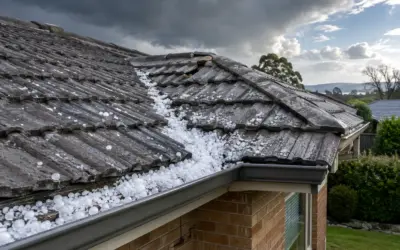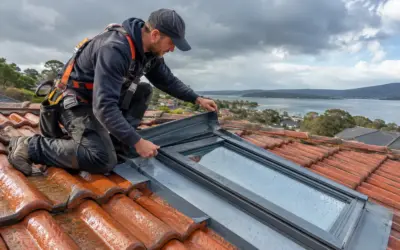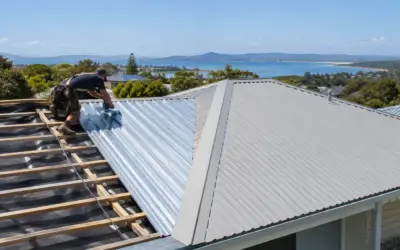
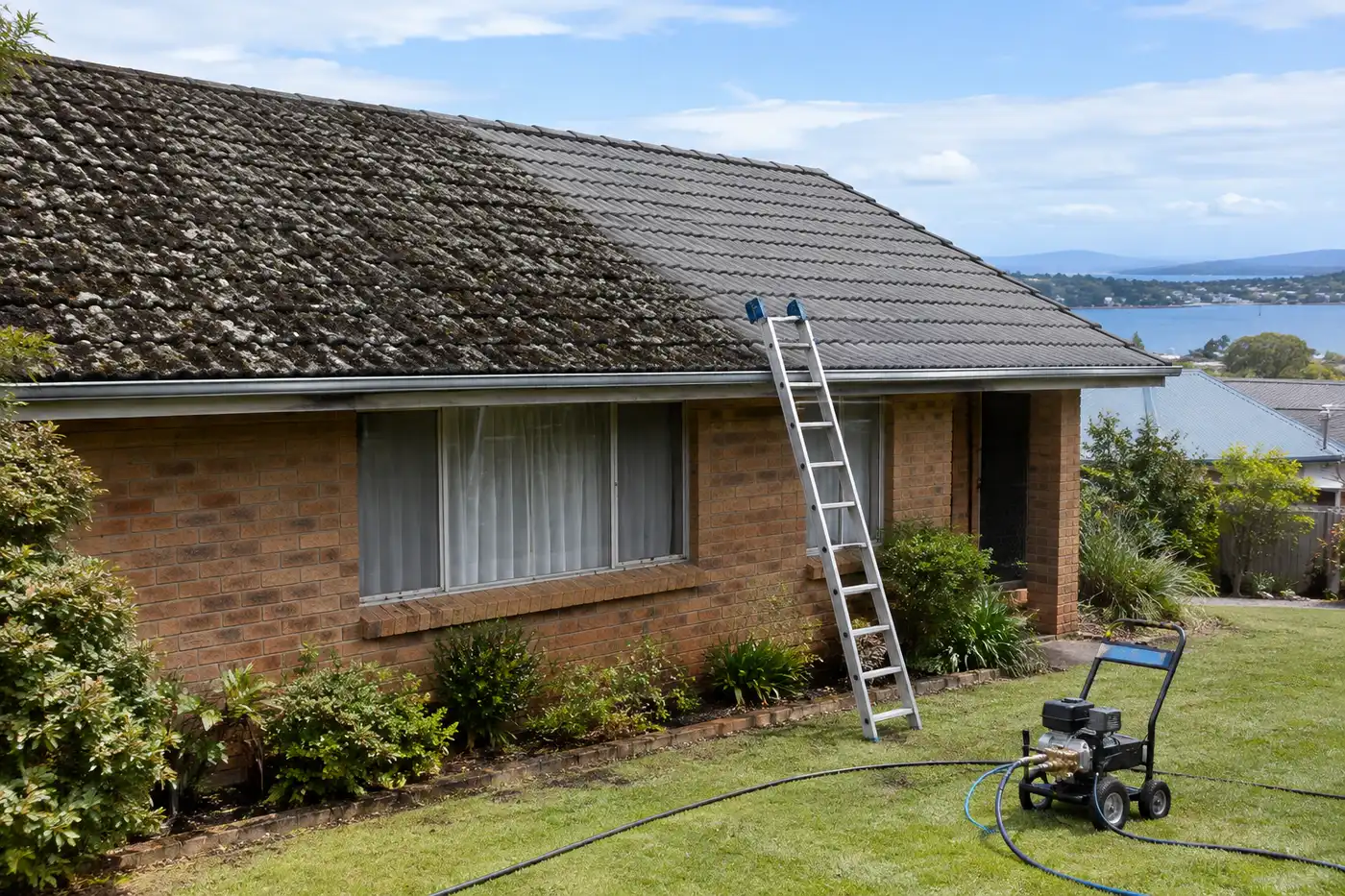
It usually starts on a Saturday. The concrete tiles have gone chalky and grey, there is black lichen spreading across the shady side, and the hardware shop has a pressure washer and a tub of roof paint on special. A few weekends of work, a fresh looking roof, and the money saved stays in your pocket. We understand why people search for DIY roof restoration tips. Here is our honest answer from the roofer’s side: some of the job is very much yours to do, and some of it is where things go wrong.
We are not going to pretend every homeowner should stay off the roof forever. But most of the DIY attempts we get called to fix around Nowra failed at the same two or three steps, and we would rather you knew which ones before you start.
The useful DIY work happens before anyone climbs up
The best thing a homeowner can do for an ageing roof costs almost nothing. It is looking properly, from places where you cannot fall off.
Stand across the street with a pair of binoculars on a clear morning. You are looking for tiles that sit out of line, ridge caps with gaps or crumbling mortar along the joins, rust spots on valleys and flashings, and patches of moss or lichen. Take photos of each side of the house. They are handy later, both for comparing over time and for showing a roofer exactly what you saw.
Then go into the roof space with a torch, ideally after rain. Check under the valleys and around the chimney or any skylight. Damp timber, water marks or pinpricks of daylight tell you far more than the outside of the roof ever will. Inside the house, keep an eye on the ceilings in the rooms below those spots.
A few other jobs are reasonable for most people:
- Clearing leaves from gutters off a stable ladder, with someone footing it
- Trimming branches that rub on the roof or drop leaves into valleys (from the ground or another safe spot)
- Checking downpipes run freely after a storm
- Noting down when each problem first appeared
That list is short on purpose. Everything past it involves standing on the roof itself.
Where a weekend restoration usually goes wrong
A full restoration on a tile roof follows roughly the same order: clean, repair, rebed and repoint the ridges, then seal and coat. Each step depends on the one before it. A shortcut early on shows up as peeling paint or a leak a year or two later.
The clean does more damage than people expect
Hire pressure washers are strong enough to chip old concrete tiles and strip the surface off weathered terracotta. Point the wand the wrong way and you drive water up under the tile laps and into the roof space. The slurry has to go somewhere too, which is usually your gutters, your garden and sometimes your neighbour’s car. Moss and lichen also need treating, not just blasting, or they come straight back under the new coating. We go through the safer methods in our guide to removing moss and lichen from roof tiles.
Repairs need matching tiles and a light step
Cracked tiles have to be swapped for the same profile, and older profiles can be hard to find. Walking on tiles takes practice as well. Step in the wrong place and you crack two more while replacing one. We see plenty of roofs where the DIY clean left more broken tiles than the owner started with.
Repointing over loose bedding is the most common mistake
The ridge caps along the top of a tile roof sit on a bed of mortar (the bedding), which is then covered by a flexible pointing compound (the pointing). The hardware store sells the pointing compound, and it is tempting to run a fresh line over the old ridges. If the bedding underneath has cracked or come loose, though, new pointing just hides the problem. The caps stay loose and the water still gets in. Doing it properly often means lifting the caps, rebedding and then pointing, which is slow, heavy work at the highest point of the roof.
Coatings fail when the prep or the weather is wrong
Roof coatings need a clean, dry, sound surface with the right primer or sealer underneath. Paint over dust, lichen or damp tiles and it lifts. Here on the coast, heavy dew and sudden afternoon showers can catch a fresh coat before it has cured. A patchy job is also hard to fix, because the next coat has to deal with whatever went wrong under it.
Falls are the real cost of doing it yourself
This part matters more than anything about paint. A fall from a single storey roof can cause serious injury, and most falls happen on ordinary jobs. Tiles are slippery when wet, dusty or covered in lichen. Concrete tiles can crack underfoot. Moving between a ladder and the roof edge is where many people lose their footing.
When we work on a roof, we set up proper fall protection before anyone starts, and the right setup depends on the pitch, the height and the edges of that particular house. If you do go up, do not go alone, do not go up when it is wet or windy, and stop if you feel unsure. If the roof is two storeys, steep, or you would need to lean out over the edge, that is the point to leave it to someone with the equipment.
The sums often look different by the end
The paint is only one line in a DIY budget. Add the hire gear, safety equipment, replacement tiles, pointing compound, primer and enough coating for every coat, plus several weekends of your time. Then allow for the chance of redoing part of it. When a DIY coating starts peeling, the next restoration has to strip that failed layer first, which makes it a bigger job than restoring the original roof would have been.
Sometimes a restoration is not the right call at all. If the tiles are badly worn or the battens underneath have problems, money spent on coating is money wasted. Our post on whether to restore or replace an older roof covers how we make that decision.
A sensible split: you do the checks, we do the roof
The approach we suggest to most homeowners is simple. Keep doing the ground level and roof space checks, keep the gutters clear, and take photos when something changes. When those checks turn up cracked tiles, loose ridges or a roof that has lost its finish, get it looked at before you buy any paint.
That is how we handle tile and metal roof restoration around Nowra. We look at the roof properly, explain what we found in plain English, and price the work in writing so you can see what is included and what is not. If only part of the roof needs attention, we will say so. Sometimes the cheaper option is the right one, and we will tell you when it is.
Common questions about DIY roof restoration
Can I restore my own roof?
You can do parts of it, and the inspection and maintenance side is genuinely useful. The cleaning, tile repairs, ridge work and coating all happen on the roof surface, which is where the safety risk and most of the costly mistakes are. On a low, simple, single storey roof some people manage it. On anything steep, high or in poor condition, we would not recommend it.
Is DIY roof restoration cheaper?
On paper it usually looks cheaper, because you are not paying for labour. Once you add equipment hire, safety gear, materials for every coat and the cost of fixing any problems, the gap closes. A failed coating also makes the next restoration harder, because it has to come off first.
Is a tape patch like Flashband a permanent fix?
No. Self adhesive flashing tape is fine as a short term patch to stop water until a proper repair is done. It does not deal with why the flashing or tile failed, and the adhesive breaks down in sun and weather. Treat it as a way to buy time, then get the cause fixed.
Can I repoint my own ridge caps with hardware store compound?
You can buy the same type of flexible pointing compound roofers use, but the product is rarely the problem. The issue is what sits under it. If the mortar bedding has cracked or the caps move when pressed, pointing over the top will not hold them. They need lifting and rebedding first.
How long does a roof restoration last?
That depends mostly on the condition of the roof and the quality of the preparation. A coating applied over a properly cleaned, repaired and primed roof lasts far longer than one rolled over dust and lichen. That is why the prep stages matter more than the paint colour.
Do I need to clean the roof before painting it?
Yes, and it is the step that decides whether the coating sticks. Dirt, chalky surface residue, moss and lichen all stop paint from bonding. The roof also has to be fully dry before any primer or coating goes on, which is easy to misjudge on a damp coastal morning.
If your own checks have turned up a few things you are not sure about, we are happy to come and take a look. Have a read of how our roof restoration service works, or get in touch for a free written quote. Ryan Bruce leads the team, with more than 10 years of roofing experience behind the work, and we are fully licensed and insured.