
It usually starts the same way. A southerly blows through Nowra overnight, and in the morning there is a puddle on the kitchen bench right under the skylight. You put a bucket down, wipe the wall, and wonder whether the skylight itself has failed. Most of the time it hasn’t. Good skylight leak repair starts with finding out where the water actually gets in, because in most of the homes we look at, the glass is fine and the problem is in the roof around it.
Most skylight leaks start in the roof, not the glass
A skylight is a hole in your roof with a window in it. The window part (the glazing and its seal) is made in a factory and is usually pretty reliable. The weak point is the join between the skylight frame and the roof, which is handled by flashing: shaped metal that sits around the skylight’s upstand and sheds water onto the tiles or sheets below.
So there are really three places a leak can come from:
- the flashing around the frame, or the roofing right next to it
- the seal between the glass or dome and the frame
- not a leak at all, but condensation forming on the inside
Each one needs a different fix. Sealing the glass won’t stop a flashing leak, and no amount of roof work will stop condensation. That is why we spend time on the diagnosis before anyone picks up a tool.
Where the water shows up tells us a lot
Drips falling from the middle of the glass on cold mornings usually mean condensation. Warm, moist air from a kitchen or bathroom hits the cold glass and turns to water. If it happens on still, dry nights as well as wet ones, that is a strong clue.
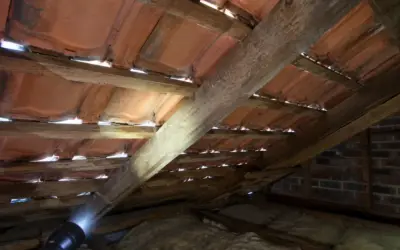
Water running down the inside of the light shaft (the boxed tunnel between the ceiling and the roof) points to the flashing or the roof around the skylight. Water travels along timber and plasterboard before it drips, so the stain is often lower than the entry point.
Water at the corners of the frame, right where the glass meets the frame, suggests the glazing seal has broken down. Sun is hard on rubber seals, and older units in particular can let water past here.
Leaks that only happen in wind-driven rain are almost always flashing. A gentle shower runs off normally, but a strong southerly pushes water sideways and up under flashings that were dressed too short or have lifted.
If you are not sure whether the stain is from the skylight or somewhere else on the roof, our guide to reading a water stain on the ceiling walks through how to tell a roof leak from plumbing or condensation.
Tile and metal roofs fail in different spots
We work on both tile and metal roofs across Nowra and the surrounding areas, and the skylight problems we find on each are quite different.
On a tile roof
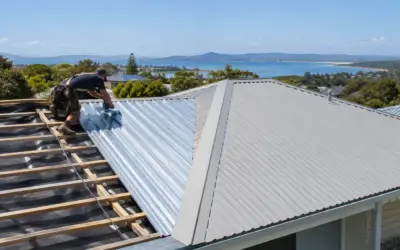
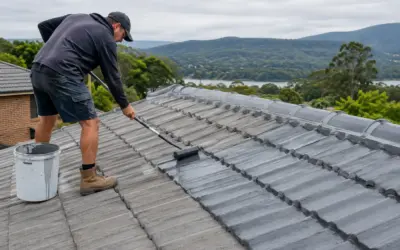
The flashing on the high side of the skylight is where trouble usually starts. Leaves, moss and grit build up against the upstand, the water can’t get away, and it backs up over the top of the flashing. We also find cracked tiles beside the skylight, often broken by someone standing on them to clean the glass.
On a metal roof
Here the sheet has been cut to make the opening, and those cut edges are where rust likes to start. Screws around the flashing can work loose as the roof expands and contracts, and their washers perish over time. Homes closer to the water, out towards Culburra Beach or Shoalhaven Heads, see salt air speed this up. A skylight that was fitted with flashing made from a different metal to the roof can also corrode where the two touch.
Why a tube of silicone rarely holds for long
The most common thing we find on a leaking skylight is a thick bead of silicone run around the frame by a previous owner, a handyman or sometimes another roofer. It might stop the leak for a season. Then the sun breaks it down, it peels away at one corner, and now it is trapping water against the frame instead of keeping it out.
Silicone has a place as a finishing detail, but it can’t do the job of flashing that is the wrong shape, too short or rusted through. We have written more about this in our post on what roof sealing can and can’t fix.
Repair, reflash or replace: how we decide
A repair makes sense when the skylight and its flashing are sound and something nearby has failed. Clearing debris from the high side, replacing a cracked tile, refixing a loose screw or resealing a small gap can all solve the problem in one visit.
A reflash is the answer when the flashing itself is the problem: rusted, poorly shaped, dressed too short, or patched so many times there is nothing solid left to seal to. We remove the old flashing and fit new flashing made to suit the roof. This is the core of our flashing repair and replacement work, and it is often the fix that finally stops a skylight leak that has come back after several patch jobs.
Replacing the skylight is worth considering when the unit is old, the dome is cracked or crazed, the frame is corroded, or the glazing seal has failed and can’t be renewed. If you are reflashing anyway, it can make sense to fit a new unit at the same time rather than putting new flashing around an old skylight.
We will tell you which of these we think is right, and if the cheaper option will do the job, we will say so. Every quote is in writing, with what is included and what is not.
What to do while you wait
Please don’t climb onto a wet roof to look. Tiles and metal sheets are slippery after rain, and skylights are not built to take a person’s weight. Inside, you can put a bucket and towels down, move anything that could be damaged, and keep an eye on the ceiling around the light shaft. If the plaster starts to sag, keep people out from under it.
Take photos of the water, the stains and the date. If you end up making an insurance claim, a record from the first day helps.
Straight answers about leaking skylights
Can a leaking skylight be repaired, or does it need replacing?
Most can be repaired. In our experience the leak is usually in the flashing or the roofing around the skylight, not the unit itself, so fixing or replacing the flashing solves it. Replacement is the better choice when the dome is cracked, the frame is corroded or the unit is simply worn out.
How much does it cost to fix a skylight leak?
It depends on what has failed. Clearing debris or replacing a cracked tile is a small job, while a full reflash or a new skylight takes more time and materials. We inspect first and give you a free written quote, so you know the cost before any work starts.
Why does my skylight only leak when it rains heavily?
Heavy, wind-driven rain pushes water sideways and upwards under flashing that is too short, lifted or blocked with debris on the high side. In light rain the water runs off normally, which is why the leak seems to come and go. If it drips on dry, cold mornings too, look at condensation instead.
Can I fix a leaking skylight myself with sealant?
Sealant might slow a leak for a while, but it rarely fixes the cause and it means working on a roof, which is risky. Silicone breaks down in the sun and can end up holding water against the frame. If the problem is the flashing, it needs to be reshaped or replaced.
Who should I call for a leaking skylight, a roofer or a skylight company?
Since most leaks come from the flashing and roof around the skylight, a roofer is usually the right first call. We can find the source, fix the flashing and surrounding tiles or sheets, and tell you honestly if the unit itself needs replacing.
Is a leaking skylight covered by home insurance?
It depends on your policy and on the cause. Sudden storm damage is treated differently from leaks caused by wear and tear or old flashing. Check your policy wording, take photos early, and ask your roofer for a written report on what caused the leak.
Get the leak found, not just patched
If your skylight is leaking, we can come out, find where the water is really getting in, and explain what we find in plain English. Ryan Bruce leads the team, with more than 10 years of roofing experience behind the work, and we are fully licensed and insured. Take a look at our flashing repair service or get in touch for a free written quote.