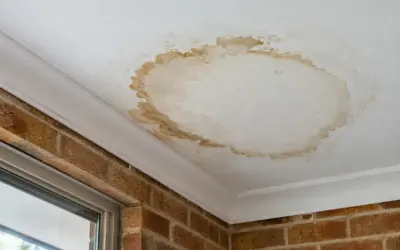
A homeowner in Bomaderry rang us last winter with a simple request. Their concrete tile roof looked tired, it had dripped into the hallway during a southerly, and a friend had told them to “just get it sealed.” Could we come and seal it?
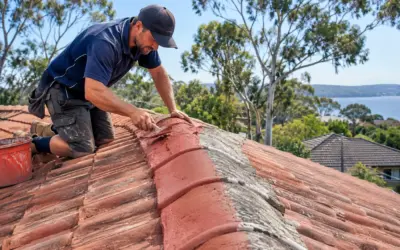
We went up. The tiles were faded and furry with lichen, but the drip had nothing to do with the tile surface. The ridge capping mortar had cracked and two tiles near the valley had slipped. Roof sealing that week would have made it look new and left the leak exactly where it was.
That gap between what people expect from sealing and what it actually does is the reason for this post.
Roof sealing means two quite different jobs
The phrase gets used loosely, so it helps to split it in two.
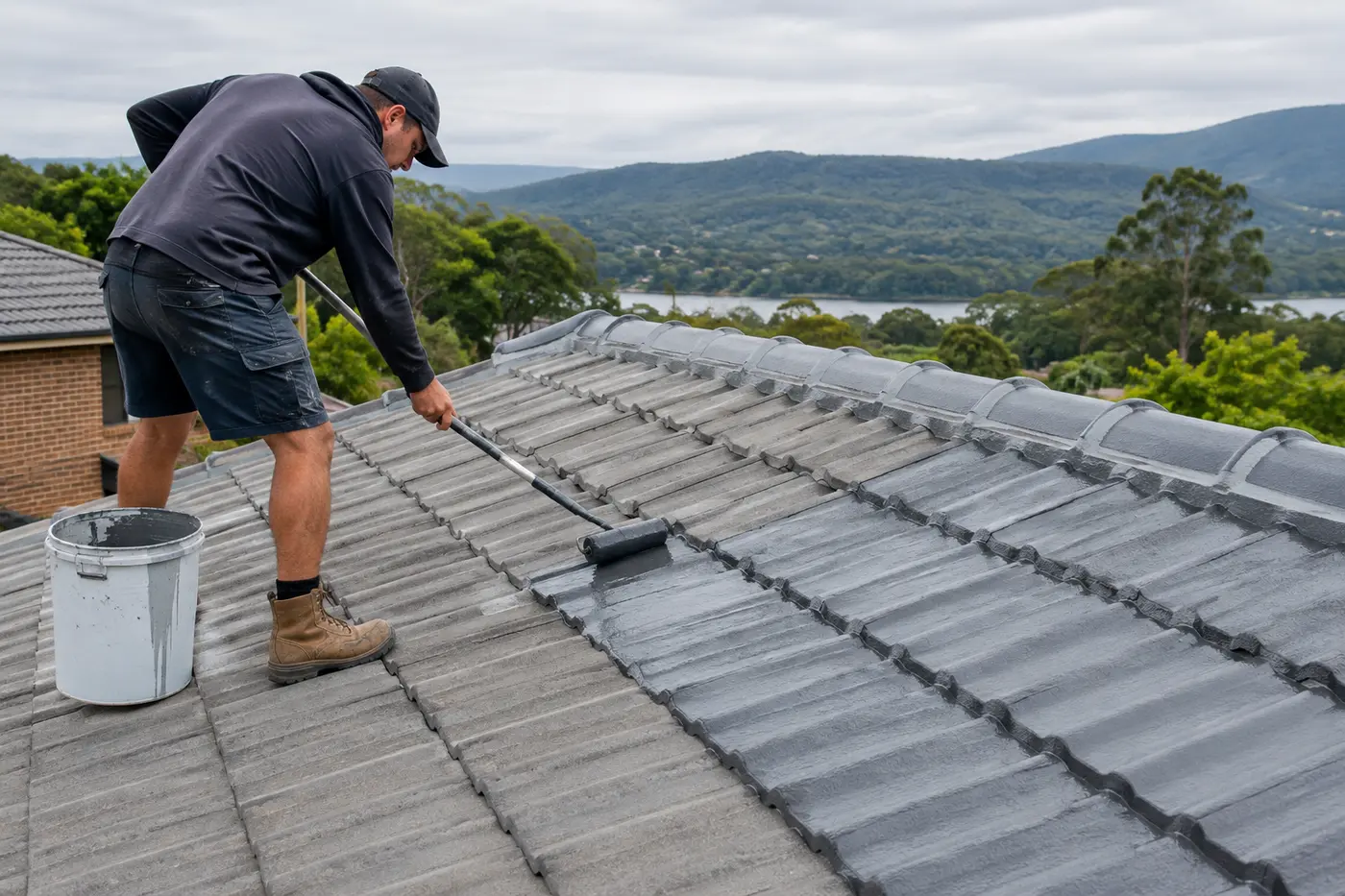
The first meaning is a sealer coat on tiles. On a tile roof restoration, once the roof is cleaned and repaired, a primer or sealer goes on before the colour coats. Its job is to soak into the porous tile surface, bind it, and give the top coats something to grip. On old concrete tiles, which go chalky and soak up water as the surface wears, this step matters a lot.
The second meaning is sealant on a leak: a tube of roof and gutter silicone squeezed around a flashing, a screw, a cracked tile or a gap. Every hardware store sells it, and it is what most people picture when a neighbour says “just seal it.”
Both have a place. Neither one is a repair on its own.
A sealer coat protects the tile, not the joins
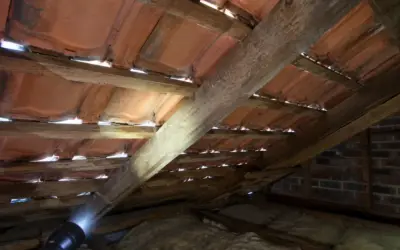
Here is the part that surprises people. Water rarely gets through the face of a tile. On the roofs we inspect around Nowra, leaks almost always come in at the joins and the edges: cracked or loose ridge capping, slipped or broken tiles, rusted valley irons, tired flashings around chimneys and walls, and blocked gutters backing up under the first row of tiles.
A sealer coat does not fix any of those. It sits on top. If the bedding under the ridge caps has crumbled, the cap will still rock in the wind with a nice shiny coat on it. If a tile has a hairline crack, paint will bridge it for a while and then crack again along the same line.
So the order matters. On a proper restoration we clean the roof first, replace the broken tiles, rebed or repoint the ridges, sort out the valleys and flashings, and only then put the sealer and top coats on. If you are not sure whether your ridges are at that stage, our guide to the signs your ridge caps need repointing walks through what to look for from the ground.
When sealing a tile roof is worth doing
It earns its money when the tiles themselves are sound but the surface is wearing out. Concrete tiles are the usual candidate. The coloured surface erodes over the years, the tile gets more porous, and moss and lichen take hold faster, which is a real issue in our damp coastal air. A sealer locks that surface down and helps the new coating last.
It is also worth doing when you want the roof to look right again. Plenty of people restore before selling, or simply because a faded roof drags down the whole house. That is a fair reason, as long as the repairs are done first.
Terracotta is a different story. Glazed terracotta tiles have a fired finish that already sheds water, and many of them do not need coating at all. Unglazed terracotta can be sealed, but we would rather talk you through it honestly than coat a roof that does not need it. Our tile and metal roof restoration service covers both, and part of the quote is telling you which steps your roof actually needs.
When it is a waste of money
Sealing will not save a roof with widespread cracked tiles, sagging battens or valleys that have rusted through. If the structure underneath is failing, a coating is cosmetic. In that case a partial or full replacement is usually the better spend, and we will say so.
It also will not stop a leak nobody has found. If water is coming in somewhere, the first job is tracking down where. The stain on your ceiling is often well away from the actual entry point, because water runs along battens and sarking before it drops.
Silicone on a leak buys time, nothing more
We are not against silicone. Used in the right spot, a quality roof sealant is a perfectly good temporary fix. We use it ourselves to make a roof safe until a proper repair can be booked.
The trouble is what happens next. Silicone smeared over a cracked tile, a gap in the pointing or a rusted section of iron tends to fail in the sun, and when it peels it can hold water against the roof instead of letting it run off. Worse, a thick blob of it hides the problem from the next person who looks.
On metal roofs we often find leaks blamed on the sheets that are really perished screw washers or lifted flashings. Sealant over a failing screw does not last long. We cover that in more detail in our post on finding the real source of a metal roof leak.
If you have already put silicone on a leak and it has stopped, good. Treat it as a holding pattern and get the roof looked at properly before the next big storm.
What a sealing quote should spell out
If someone quotes you to “seal” your roof, ask what is actually in the price. A written quote for a tile roof should cover:
- pressure cleaning and moss or lichen treatment
- how many broken or cracked tiles are being replaced
- ridge capping work, rebedding or repointing
- valley and flashing repairs, if any
- the sealer or primer coat, then how many top coats
- what is excluded
A quote that says “seal and paint roof” with a single figure and nothing else leaves you guessing about the parts that stop leaks. Ours are always in writing, with what is included and what is not, and the quote is free.
One more thing. Cold callers offering cheap roof sealing turn up around the Shoalhaven every so often, especially after storms. A real roofer will happily go up, show you photos of what they found and leave a written quote. If someone wants a deposit on the spot for a coating, walk away.
A full seal and coat is not a weekend job
A dab of silicone around a vent pipe on a low single storey roof is within reach of a careful homeowner with a proper ladder setup. A full clean, seal and coat is not. Wet tiles are slippery, concrete tiles crack underfoot if you step in the wrong place, and coating systems need the surface prepared properly or they peel. Quite a few of the patch jobs we get called to fix started as a weekend project.
Common questions about roof sealing
Is sealing your roof a good idea?
It is a good idea when the tiles are sound but the surface is worn, and when any repairs to ridges, valleys and broken tiles are done first. It is not a good idea as a substitute for those repairs, because it makes the roof look fixed without stopping the leak.
Can you use sealant on roof tiles?
Yes, but it depends what you mean. A purpose-made tile sealer applied over a clean, repaired roof is a standard part of a restoration. Silicone squeezed over a cracked tile is only a stopgap; the tile should be replaced.
What are the disadvantages of roof sealant?
Spot sealant breaks down in strong sun, can trap water when it lifts, and hides the real fault from whoever inspects the roof next. Full sealer coats are only as good as the cleaning and repairs underneath, and they are wasted on a roof that is near the end of its life.
What is the cheapest way to waterproof a roof?
Usually it is fixing the specific fault rather than coating the whole roof. Replacing a few cracked tiles, repointing a ridge or clearing a blocked valley is a much smaller job than a full coat, and it solves the actual leak.
How can I waterproof my roof?
Start with an inspection to find where water is getting in, then repair those points properly. Keep gutters and valleys clear so water is not forced back under the tiles. A sealer and top coats come last, as protection for a roof that is already sound.
Does a sealed roof still need maintenance?
Yes. Gutters still fill with leaves, ridges still move over time and storms still crack tiles. A look over the roof every so often, and after big weather, catches small problems before they reach the ceiling.
Get the roof checked before you seal it
If your roof is looking tired or has started dripping, we will come and look, explain what we find in plain English and give you a free written quote. Ryan Bruce leads the team, with more than 10 years of roofing experience behind the work, and we are fully licensed and insured. See how we approach roof restoration across Nowra and the Shoalhaven, then get in touch when you are ready.