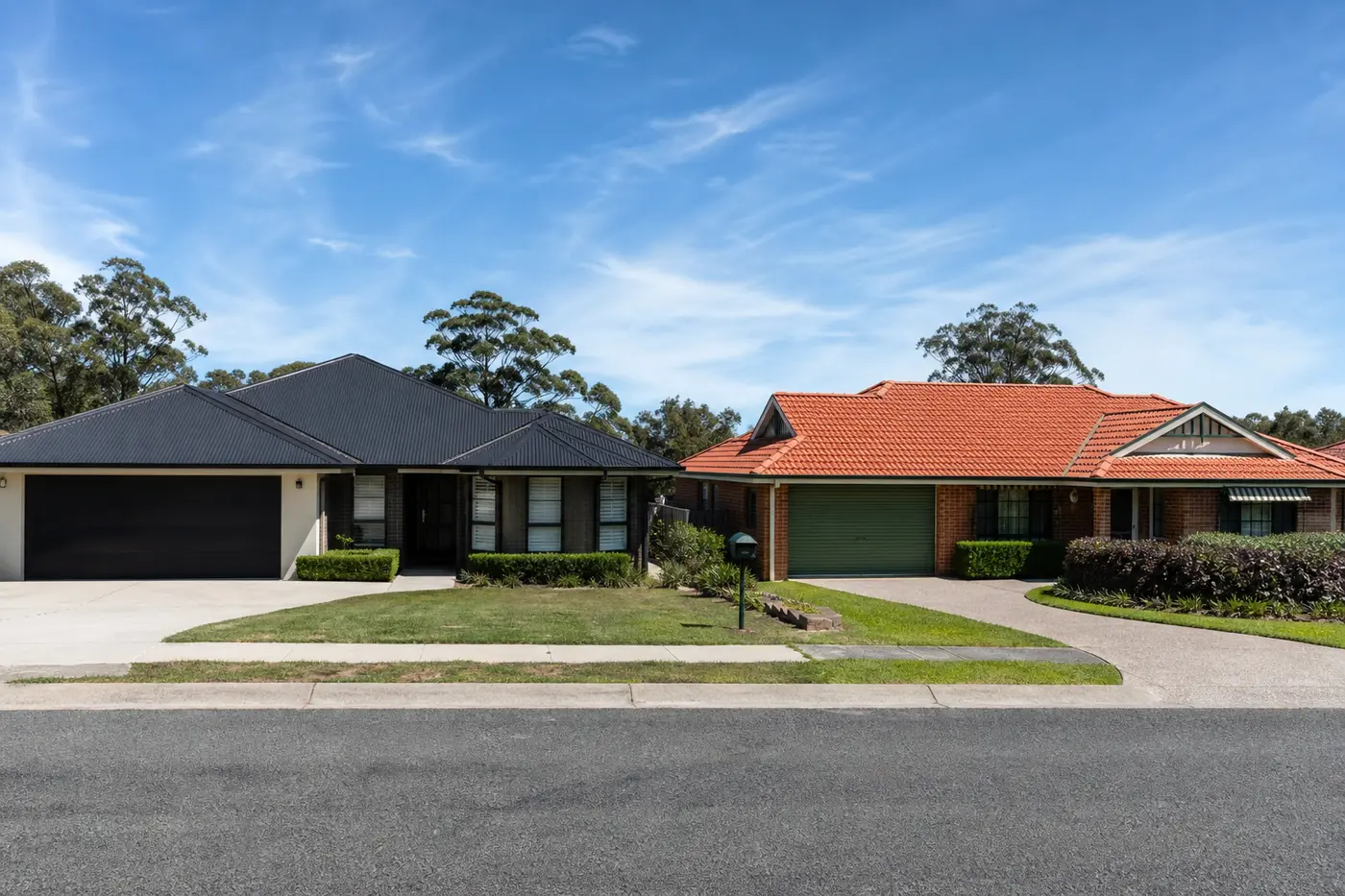
Most people ask us the Colorbond vs tile roof question at one of two moments. Either they are building and the roof is the last big choice on the list, or the old roof has finally given up and they are standing in the yard wondering whether to match what is there or switch to steel. Both are fair questions, and the honest answer is that neither roof is simply better. They fail in different ways, cost money at different times, and behave differently in the weather we get down here on the South Coast.
We work on both across Nowra and the Shoalhaven, so we have no reason to push you one way. Here is how we actually think it through with a homeowner.
The short version, if you are in a hurry
Colorbond tends to win on weight, on speed of install, and on how it copes with strong wind. Tile tends to win on the quiet under heavy rain, on that traditional look a lot of Nowra streets already have, and on shrugging off hail without denting. If your framing is older or you want the job done quickly, steel usually makes life easier. If you like the look of tile and the roof structure is sound, there is often no reason to change.
The rest of this is the detail behind that, because the right call really does depend on your house.
Where Colorbond earns its reputation
Colorbond is coated steel sheet, screwed down in long runs onto the battens. Because it fixes continuously rather than sitting as loose pieces, it holds together well when the wind gets up, and we get our share of that near the water. It is light, so it puts far less load on the frame than tile does, which matters on older homes or second-storey additions.
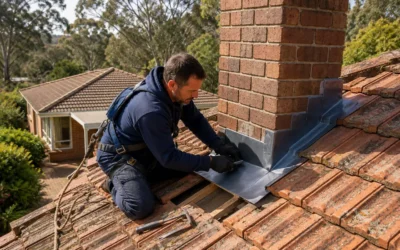
Fewer joins also means fewer places for water to find its way in, so long as the flashings and valleys are done properly. That last part is the catch. Steel is only as good as the detailing around it, which is where a lot of the cheap jobs come undone.
The trade-offs are real though. Metal can drum in heavy rain if it is not sitting on decent sarking and insulation. Big hail can dent it, and a dent is cosmetic but it is there for good. And the colour finish, while tough, does eventually chalk and fade after many years in the sun. If you want to see the range of Colorbond and metal roofing work we take on, that gives you a feel for what the finished result looks like.
What a tile roof gives you, and what it asks back
Tile, whether concrete or terracotta, is the roof most Nowra homes already wear. It is quiet under rain, it handles hail without denting, and a single cracked tile is a cheap, quick fix rather than a whole-sheet problem. Terracotta in particular holds its colour for a very long time because the colour is baked through, not painted on top.
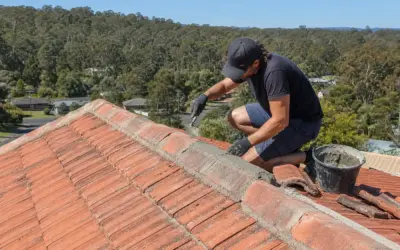
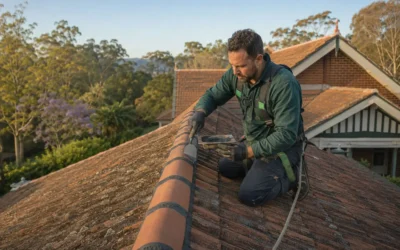
The cost of all that is upkeep and weight. Tiles are heavy, so the frame has to be built for it, which is why you cannot simply swap a light steel roof for tile without checking the structure first. The tiles themselves usually last for decades. What does not last as long is the mortar bedding and pointing that hold the ridge caps in place. That is the part that cracks, lets go, and starts leaking, which is why repointing comes up on tile roofs long before the tiles ever wear out.
So a tile roof is lower drama day to day but it needs the odd bit of attention. Ignore it for fifteen years and the pointing will let you know.
Salt air quietly changes the maths near the coast
This is the part the generic guides written for Sydney or Perth tend to skip. Out at Culburra Beach, Shoalhaven Heads and anywhere else close to the water, salt is in the air and it is hard on metal. Standard steel and cheaper fixings can corrode faster than they should in that environment. Colorbond does make coastal-grade material built for exactly this, and it works well, but you have to specify it and the screws and flashings have to match. Put a bog-standard metal roof up near the surf and you can be disappointed within years.
Tile does not corrode, which is a genuine point in its favour by the beach. The pointing and any metal valleys and flashings still cop the salt, so tile is not maintenance-free near the coast either, but the tiles themselves are not bothered by it. If you are within a few streets of the water, this one factor is worth more than most of the others put together.
Cost is not just the day it goes on
People usually ask which is cheaper. On the day of install, tile is often the lower starting price on a new build, and steel is the upgrade. But that is only the first number. Over the life of the roof you also pay for maintenance, the occasional repair, and eventually a repaint or repoint, and the gap between the two narrows once all of that is in the picture.
Because the real figure depends on your roof size, pitch, access and the state of the frame, we quote it in writing after we have been up and had a look rather than throwing a number around over the phone. If you want a sense of the money side before you commit, our rundown of what a roof restoration costs around here covers how we price this kind of work.
You might not need to switch at all
Here is the thing we tell people more often than they expect. If your existing tile roof is structurally fine and just looks tired, or the ridge caps have cracked and a few tiles have slipped, you are usually far better off restoring it than tearing it off for steel. Cleaning, repointing, replacing broken tiles and recoating brings a sound tile roof back for a fraction of a full re-roof, and you keep the look of the street.
Switching materials only really pays when the roof is genuinely at the end of its life, when the structure has a problem, or when you simply want the change. If you have decided the old roof is beyond saving and you are ready to replace the roof entirely, that is the point where the Colorbond versus tile decision actually matters. Before then, it is often a question you do not need to answer yet.
How we would help you decide
We look at the roof properly, check the frame and the condition of what is already there, and factor in how close you are to the coast and what your budget is trying to do. Then we tell you in plain English which way we would lean and why, including when the cheaper option is the right one. With more than 10 years of roofing experience behind the team, and being fully licensed and insured, we would rather send you off to restore a good tile roof than sell you a re-roof you did not need.
Common questions about Colorbond and tile roofs
Are tiled roofs cheaper than Colorbond?
On a new install, tile is often the lower starting price and Colorbond is treated as the upgrade. Once you add up maintenance, repairs and the eventual repoint or repaint over the years, the difference gets smaller. The only way to compare properly for your home is a written quote for both.
What are the downsides of a Colorbond roof?
It can be noisy under heavy rain if the sarking and insulation are not right, big hail can dent it permanently, and near the coast you must use coastal-grade material and matching fixings or it can corrode early. Done properly with the right product, none of these are dealbreakers.
What are the downsides of having a tile roof?
Weight is the main one, so the frame has to be built for it. The bedding and pointing holding the ridge caps need attention over time, and slipped or cracked tiles let water in if they are not fixed. The upside is that repairs are cheap and localised.
How many years will a tile roof last?
A well-kept tile roof lasts for decades. In our experience the tiles themselves usually outlast the pointing and bedding, so repointing and the odd tile replacement come up well before the roof as a whole needs replacing.
Is Colorbond or tile better for a home near the beach?
Both can work near the water, but only if they are specified for it. Coastal-grade Colorbond with matching fixings handles salt well, while tile does not corrode at all, though its metal flashings and pointing still need looking after. If you are very close to the surf, tile removes the corrosion worry entirely.
Can I replace a tile roof with Colorbond?
Usually yes, and swapping heavy tile for light steel actually reduces the load on the frame. We still check the structure, battens and any additions first, because the fixing needs to suit the new roof. It is a common change and often a good one when the old tiles are past it.
Is it okay to pressure wash a tile roof?
Carefully, and it is best left to someone who does it regularly. Too much pressure or the wrong angle can drive water under the tiles or strip the surface. We clean tile roofs as part of restoration work so the coating that goes on afterwards actually sticks.