Two quotes land in your inbox for the same job. One is for repointing the ridge capping on your tile roof. The other covers “ridge rebedding and repointing” and comes in at well over the first. Same roof, same week, very different numbers, and neither roofer has explained why.
We get asked about roof repointing cost more than almost anything else on tile roofs around Nowra, and the honest answer is that the price comes from a handful of measurable things. Once you know what they are, you can read any quote and see whether it is fair, and whether it is even for the same work.
Repointing and rebedding are two different jobs
This is where most price confusion starts. On a tile roof, the curved ridge caps that run along the peak and down the hips sit on a bed of sand and cement mortar. That is the bedding. Over the top of it sits the pointing, a coloured seal that closes the gap between the caps and the tiles and keeps water out.
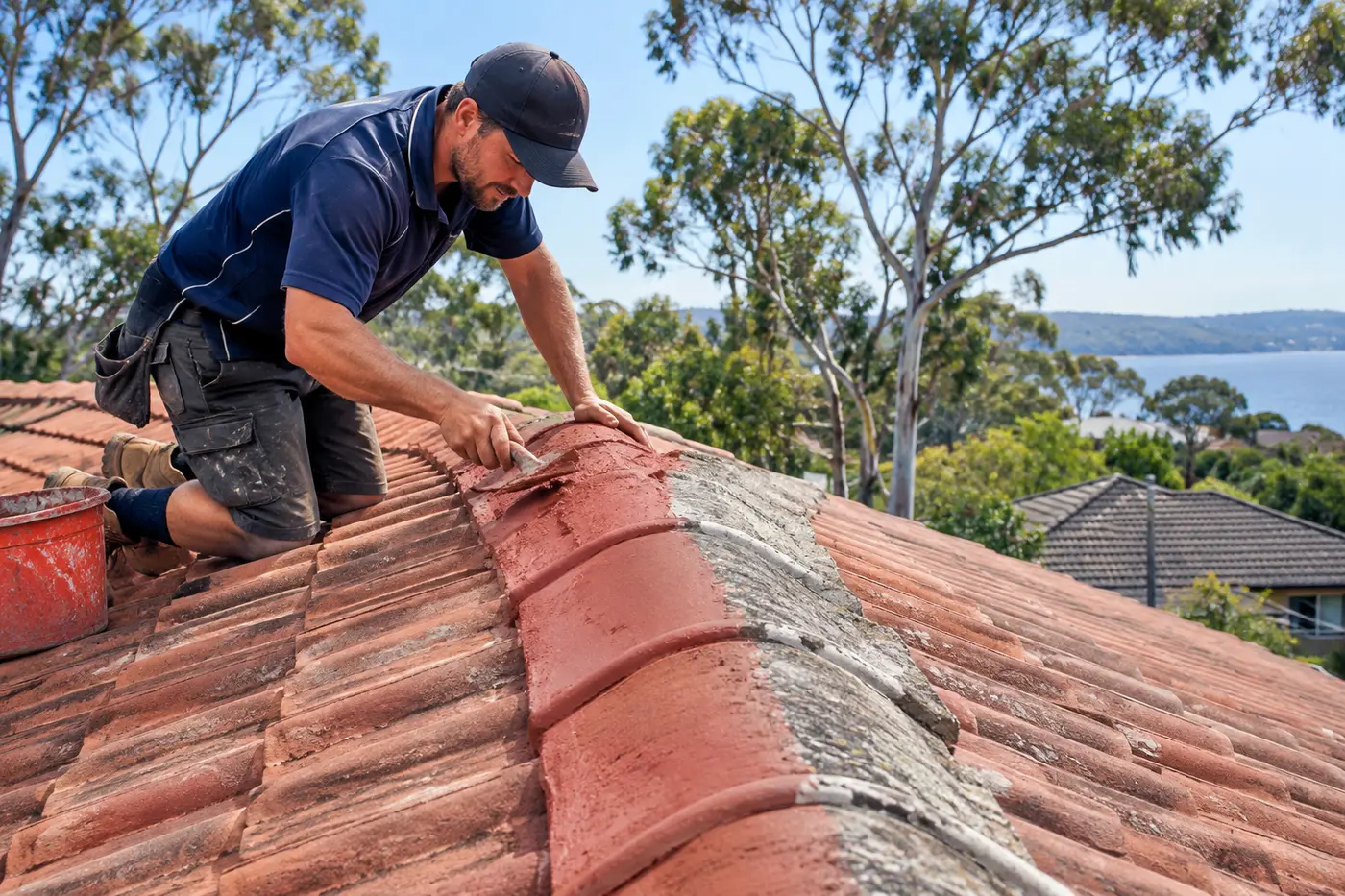
Repointing means we clean back the old, cracked pointing and apply a new layer of flexible pointing compound over bedding that is still sound. The caps stay where they are.
Rebedding means the caps come off. We knock out the old mortar, lay fresh bedding, set each cap back in line, and then point over the top. It is slower, it uses more material, and it produces a lot more rubble to clear off the roof.
So when one quote says repoint and the other says rebed and repoint, the gap in price is usually not a gap in honesty. It is a gap in scope. The real question is which one your roof needs, and that depends on what is happening underneath the old pointing.
How we work out which one your roof needs
We walk the ridges and press on the caps. If a cap rocks, or the bedding under it crumbles when we touch it, new pointing on top will not hold it. That section needs rebedding. If the caps are firm and the bedding is solid, with only the outer pointing cracked or flaking, repointing is the right fix and the cheaper one.
Most of the roofs we look at are a mix. A storm, a bit of movement in the frame, or just years of sun and rain will loosen some lengths of capping while others are still tight. A good quote reflects that, with rebedding only where it is actually needed rather than across the whole roof by default. If you want to know the warning signs to look for from the ground first, our guide to when ridge caps start needing attention covers them.
What actually moves the price
Every roofer prices this a little differently, but the same factors sit behind nearly every repointing quote we have seen.
Metres of ridge and hip, not the size of the house
Repointing is usually measured by the linear metre of capping. That is the length of all the ridges and hips added together. Floor area matters less than you might think.
Roof shape is the big one here. A simple gable roof has one ridge along the top and that is about it. A hip roof, which is what a lot of the tile roofs we work on around Nowra have, has a ridge plus four hips running down to the corners. Add an L-shaped extension or a few extra hips and valleys and the metres climb quickly, even on a modest house.
How much of it needs rebedding
As above, rebedding takes more time and material per metre than repointing. A roof that needs ten metres rebedded and the rest repointed will cost noticeably less than one that needs every cap lifted.
Height, pitch and safe access
A single storey roof with a gentle pitch and clear access from the driveway is the easiest job. Two storeys, a steep pitch, a sloping block or a roof edge over a garden bed all mean more time setting up edge protection or scaffold before any pointing happens. Working at heights rules in NSW are strict for good reason, and that setup is a real cost on the job, not padding.
Cracked or broken ridge caps
Old caps crack, especially if someone has walked on them. Any broken cap has to be replaced before it is bedded and pointed, and older terracotta or concrete profiles can take a bit of hunting to match. We would rather tell you about two cracked caps on the quote than discover them halfway through and surprise you.
The state of the rest of the roof
Fresh pointing needs a clean surface to bond to. If the ridges are covered in lichen or years of grime, they need cleaning first. If the roof is being cleaned anyway, or is due for a full restoration, doing the repointing at the same time shares the setup and cleaning, which is usually cheaper than two separate visits.
Repointing on its own, or as part of a restoration
We get this question a lot from people whose roof looks tired overall. Repointing on its own makes sense when the tiles themselves are in good shape and the problem is limited to the capping. It is a targeted repair, and often it is all the roof needs.
If the tiles are faded, porous and covered in moss as well, repointing is normally one step inside a full restoration: clean, repair, rebed and repoint, then coat. Pricing repointing as a standalone job and then paying for a restoration a year later doubles up on a lot of work. Our breakdown of what goes into a full roof restoration price shows where repointing fits in that bigger job.
We will tell you plainly which side of that line your roof falls on. If the cheaper option is the right one, that is the one we recommend.
Reading a repointing quote so you compare like with like
A low figure on a quote means nothing until you know what it covers. These are the questions worth asking any roofer, us included:
- How many linear metres of capping are being repointed, and how many rebedded?
- Is the old pointing being cleaned back first, or is new compound going over the top of the old?
- Are cracked caps being replaced, and is that included or extra?
- What pointing compound is being used, and will the colour match the tiles?
- Does the price include cleaning the ridges and removing the old mortar from site?
- What is covered afterwards, and is that in writing?
That second point matters more than people expect. Smearing new compound over cracked, loose pointing is quicker and cheaper, and it can look fine for a while. It does not bond properly, and the leak usually comes back. When two quotes are miles apart, this is often the reason.
We quote every job in writing, with what is included and what is not, so you can line it up against anyone else’s. You can see how we approach ridge capping and repointing on Nowra tile roofs if you want the detail on the work itself.
The cost of leaving it
Cracked pointing does not cause a flood overnight. What it does is let water in a little at a time, usually during heavy rain driven in off the coast. That water soaks the bedding, the bedding breaks down faster, and caps start to loosen. A job that was a straightforward repoint can turn into rebedding within a few wet seasons.
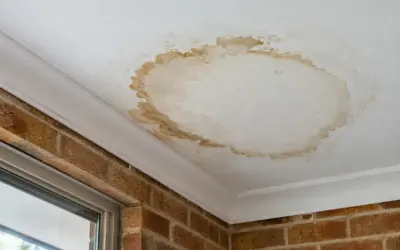
Past that point, water reaches the battens and the ceiling below. Then you are paying for the roof repair and the plasterboard. Catching cracked pointing early is the single easiest way to keep this job at its cheapest.
Common questions about roof repointing cost
How much does it cost to fix roof pointing?
It depends mostly on how many metres of ridge and hip need work and whether the caps have to be rebedded or just repointed. Roof height, access and any broken caps add to it. The only way to get a real figure for your roof is to have someone walk the ridges and measure, which is why we give free written quotes rather than guesses over the phone.
How often should you repoint a roof?
It is not a job on a fixed schedule. Modern flexible pointing compounds hold up far better than the old rigid mortar did, so a properly repointed roof should not need it again for a long time. The sensible approach is to have the capping checked whenever the roof is inspected, and after a big storm, and repoint only when it shows cracking or loose caps.
Can you repoint your roof yourself?
Pointing compound is sold at hardware stores, so people do try. We would not recommend it. Working on a tile roof is genuinely dangerous without edge protection, and walking on tiles cracks them. Pointing over loose bedding also will not fix the problem, and telling the difference takes experience.
What does repointing a roof involve?
We clean the ridges, rake out or remove the old cracked pointing, and check every cap for movement. Any loose sections are lifted and rebedded in fresh mortar. Then a flexible pointing compound is applied over the bedding, tooled smooth and colour matched to the tiles.
Do metal roofs need repointing?
No. Repointing is a tile roof job. Metal roofs use ridge capping that is screwed down over foam or profile filler strips, so there is no mortar to crack. If a metal roof ridge is leaking, it is usually worn screws, rust or a failed seal instead.
Is repointing cheaper than rebedding?
Yes, usually by a fair margin, because the caps stay in place and there is far less labour and material involved. But it only works when the bedding underneath is still solid. Repointing over failed bedding saves money for a season or two and then costs more when it has to be redone properly.
Get a written quote for your ridge capping
If your ridge caps are cracked, loose or leaving bits of mortar in the gutters, we will come out, walk the roof and tell you whether it needs repointing, rebedding or a bit of both. Ryan Bruce leads our team, with more than 10 years of roofing experience, and we are fully licensed and insured. Every quote is free and in writing. Have a look at our roof repointing and ridge capping service, or get in touch and we will arrange a time to take a look.