You look up from the driveway and the roof has gone from red to a patchy charcoal. There’s yellow lichen spreading across the south side and black streaks running down from the ridge. So you ring around, and the two quotes that come back are nowhere near each other. That gap is the most common question we get about roof cleaning cost around Nowra, and the answer is almost always in what each quote actually includes.
We clean tile and metal roofs across Nowra and the Shoalhaven, and we price every job in writing, with what is included and what is not. We don’t publish a flat rate, because a flat rate would be wrong for most roofs. What we can do is show you what moves the number, so you can read any quote (ours included) and know what you’re paying for.
Two quotes for roof cleaning can be two different jobs
Most of the price gap between quotes comes down to scope. One cleaner might give the tiles a quick pressure wash and leave. Another might treat the growth first, wash it back, clear the slurry out of the gutters and downpipes, and check for cracked tiles while they’re up there. Both get called roof cleaning. Only one leaves you with a roof that stays clean and drains properly.
Gutters are the part people forget. Everything that comes off the roof during a wash ends up in them: moss, lichen, and grit from worn tile surfaces. If nobody clears it out, the first heavy rain carries it into the downpipes, and you’ve swapped a dirty roof for a blocked one.
When we quote roof cleaning around Nowra, we list each of those steps separately so you can compare like for like.
Five things that set the price on your roof
Size, pitch and how many storeys
A bigger roof takes longer. Less obvious is pitch. A steep roof or a two storey house needs more safety setup before anyone steps onto it, and working carefully on a steep pitch is slow. On a low single storey home we can move around freely. On a steep two storey we’re harnessed in and every section takes longer, and that time shows up in the quote.
What the roof is made of
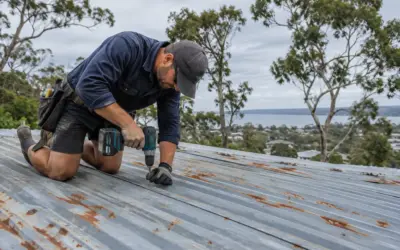
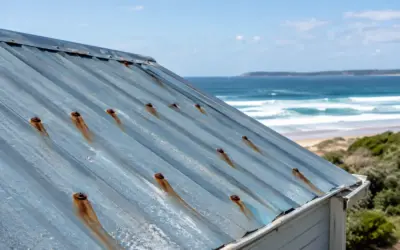
Concrete tiles, terracotta and metal all clean differently. Older concrete tiles are the touchy ones. Once their surface coating has worn away, the tile underneath is soft and porous, and too much pressure strips more of it off. Terracotta is harder wearing but brittle underfoot. Metal is usually the quickest to clean, though it still needs care around screws, laps and any rust spots, because a heavy wash can push water where it shouldn’t go.
How much growth has built up
A light film of dirt washes off quickly. Thick lichen is another matter. Those crusty grey, yellow and orange patches grip the tile, so they need a treatment applied first and time for it to work. Washing lichen off by force alone either leaves it behind or takes the tile surface with it. Homes under big gums, on shaded blocks or with a roof facing south tend to carry the most.
Access and what’s around the house
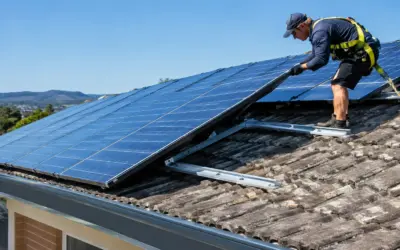
Tight side passages, steep driveways, pergolas with clear roofing, skylights, solar panels and pool areas all change how a job is set up. Panels in particular take extra care, since nobody wants water forced under them or anyone standing on them.
What turns up once we’re on the roof
A clean roof shows problems a dirty one hides: cracked tiles, loose ridge capping, crumbling pointing. A good quote tells you whether replacing a few broken tiles is included, priced separately, or simply reported back to you. We’d rather settle that before the job than surprise you at the end of it.
Pressure washing can cost you more than it saves
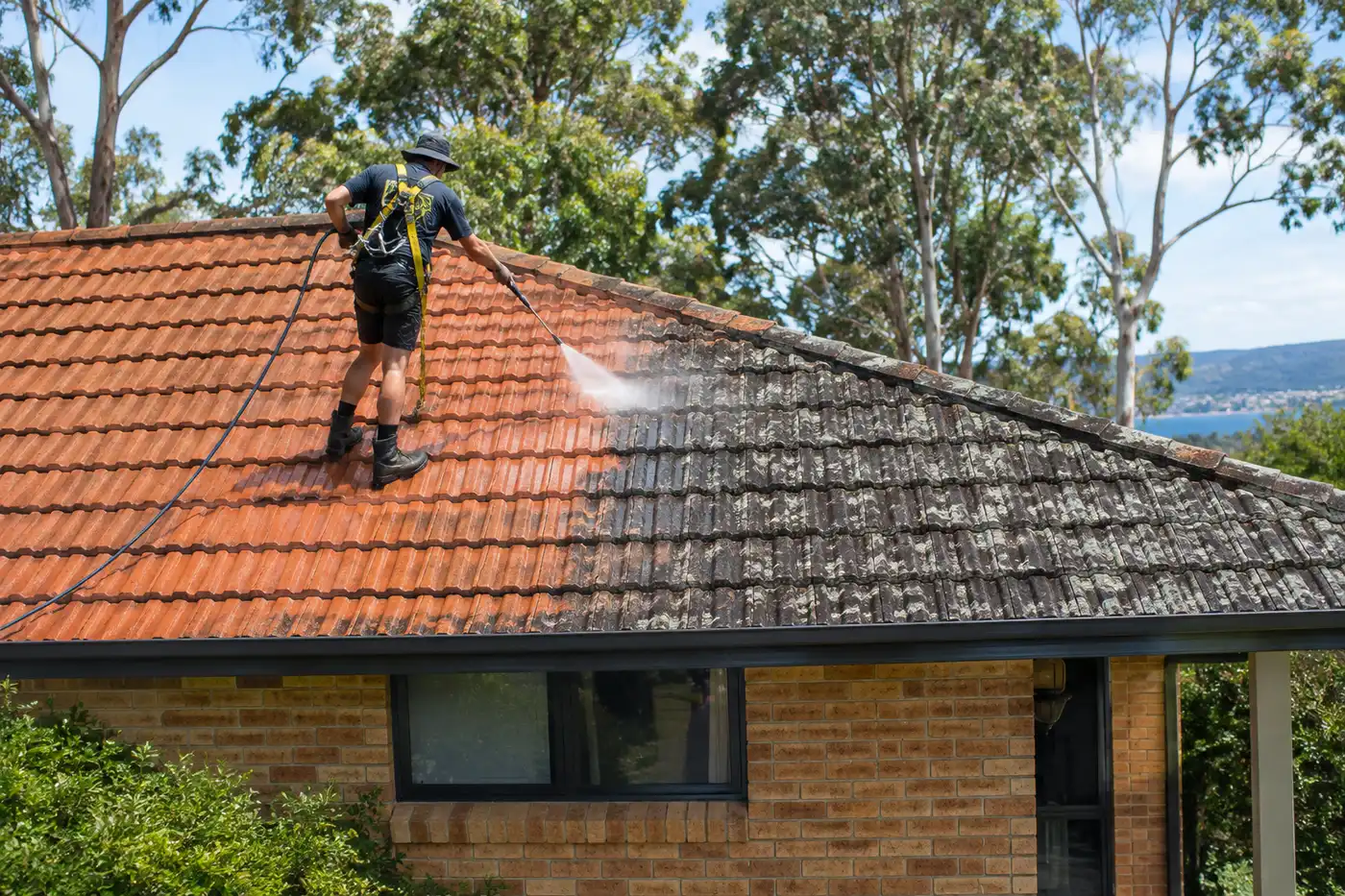
Plenty of roofs get cleaned with a high pressure unit and nothing else. Done carefully on a sound roof, that’s fine. Done carelessly, it does three kinds of damage. It strips the worn surface off old concrete tiles, which leaves them more porous and quicker to grow lichen again. It drives water up under laps and flashings and into the roof space. And someone walking the roof with a wand in hand can crack tiles as they go.
Our approach depends on the roof. On most tile roofs we treat the growth, give the treatment time, then wash at a pressure that suits the tile. Our guide to getting moss and lichen off roof tiles safely explains that process in more detail.
So when one quote is far lower than the rest, look at the method. A clean that cracks tiles or pushes water inside turns into a repair bill.
Sometimes a clean is enough. Sometimes it’s step one
A clean on its own makes sense when the tiles are sound, the pointing on the ridge capping is holding, and the problem really is just growth and grime. You get a tidier roof, gutters that drain, and less wet lichen sitting on the tiles.
It’s a different story when the clean is the first stage of a restoration. Before any coating goes on, the roof has to be properly clean, because paint over lichen fails. In that case the cleaning is part of the restoration price rather than a separate job, and our breakdown of what goes into a roof restoration quote covers the full picture.
We’re often asked whether it’s worth cleaning a roof that’s due for restoration soon anyway. Usually not, unless the growth is blocking gutters right now. Paying for the same clean twice rarely makes sense, and when the cheaper option is the right one, we’ll tell you.
Dry weather decides the timing more than the calendar does
There’s no single best month for roof cleaning on the South Coast. What matters is a run of settled, dry days. The treatment needs time on the roof before rain washes it off, and a wet roof is slippery and slower to work on, so a wet spell can push a booking back.
Some roofs also need cleaning more often than others. Coastal humidity, shade from trees and a roof plane facing south all help lichen along. A home tucked under trees on a bush block will usually need attention sooner than an exposed roof in full sun.
What your written quote should spell out
Whoever you get to quote, these are the details worth seeing on paper before you agree to anything:
- whether the growth is treated before washing, or washed only
- the cleaning method, and how pressure is matched to your tiles or sheeting
- clearing gutters and downpipes after the wash
- what happens with cracked or broken tiles found on the day
- how solar panels, skylights and fragile areas are protected
If a quote is a single line that says roof clean and a number, ask what’s behind it. A fair price for one job can be a poor price for another.
If your roof has gone dark or the lichen is spreading, we’re happy to come and take a look. Ryan Bruce leads the team, there’s more than 10 years of roofing experience behind the work, and we’re fully licensed and insured. We’ll explain what we find in plain English and put the price in writing. Start with a free written quote for cleaning your tile or metal roof.
Common questions about roof cleaning costs
How much should I pay for roof cleaning?
It depends on the roof’s size and pitch, what it’s made of, how much growth is on it, and what the job includes. Rather than chasing the lowest number, compare what each quote covers, such as treatment, gutter clearing and broken tile replacement. We give free written quotes around Nowra so you can see exactly what you’re paying for.
Is professional roof cleaning worth it?
If lichen and moss are building up or filling your gutters, usually yes. Growth holds moisture against the tiles, and the debris it sheds blocks gutters and downpipes. Working on a roof also carries a real risk of falls, which is a big reason to leave it to people with proper safety gear.
What time of year is best for roof cleaning?
Any time you can get a few dry, settled days in a row. Treatments need time on the roof before rain arrives, and a dry roof is safer to work on. The calendar matters less than the forecast.
Can you pressure wash roof tiles?
Yes, but the pressure has to suit the tile. Older concrete tiles that have lost their surface coating are easily damaged, and careless spraying can drive water under laps and flashings. Treating the growth first usually means less pressure is needed.
How often should you clean your roof?
There’s no fixed schedule. Shaded roofs, roofs under trees and roof planes facing south near the coast grow lichen faster than exposed ones. If growth is spreading or your gutters keep filling with grit, it’s time.
Will cleaning my roof stop a leak?
No. Cleaning removes growth and debris, but it won’t fix cracked tiles, failed pointing or damaged flashings. It does often reveal those problems, which is why we report anything we find while we’re up there.